







Search Results for: Differences Between Light
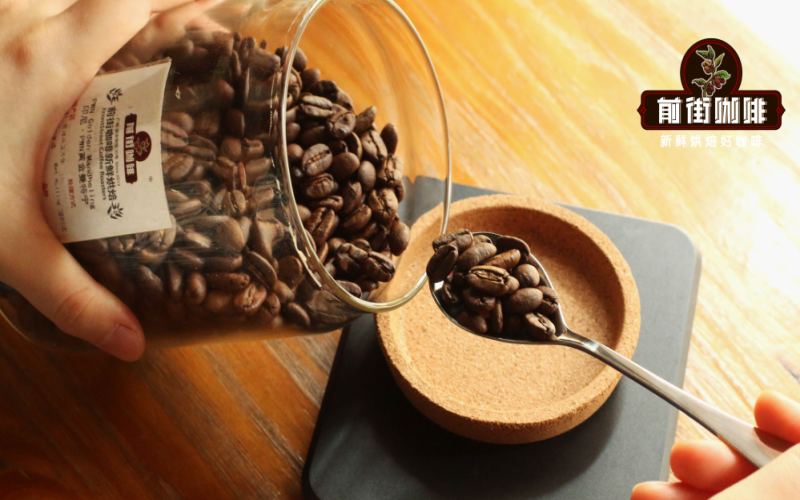
What Are the Differences Between Light, Medium, and Dark Roast Coffee Beans? A Detailed Explanation of Roast Level Differences and Buying Guide for Medium Roast Beans
The same coffee beans, from light roast to dark roast, take only a few minutes with a temperature difference of no more than about 10°C, yet the flavor changes dramatically. How does roast level affect the balance of acidity and bitterness and the complexity of aroma? This article will analyze in turn the flavor characteristics and dropping times of the three stages—light roast, medium roast, and dark roast—and offer specific buying guidance for medium-roasted coffee: if you prefer fruity notes, choose light-medium or medium-roasted beans; if you seek a balanced taste, consider medium-dark roast, along with several representative beans from Front Street Coffee for reference. [more…]
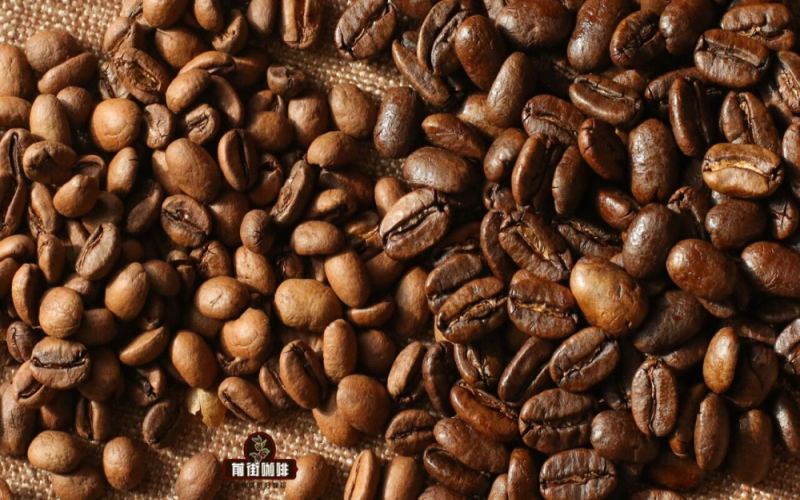
What are the differences between dark roast and light roast coffee beans? Are dark roast beans expensive, and how much do they generally cost?
Should coffee beans be dark roasted or light roasted? This is a long-running debate in the coffee world. Those who favor light roasting believe that it preserves the coffee's origin flavors and floral and fruity aromas to the greatest extent; those who champion dark roasting emphasize that only medium-dark roasting allows the Maillard reaction to complete fully, bringing a rich, full-bodied sweetness and a smooth mouthfeel. Each side has its points, and there is no absolute right or wrong. This article will sort out the core differences between dark roasting and light roasting, introduce the taste characteristics of the three levels—light roast, medium roast, and dark roast—and give specific Front Street Coffee bean recommendations for different flavor preferences, while also answering common questions such as how much dark-roasted coffee beans generally cost and whether they are expensive. [more…]
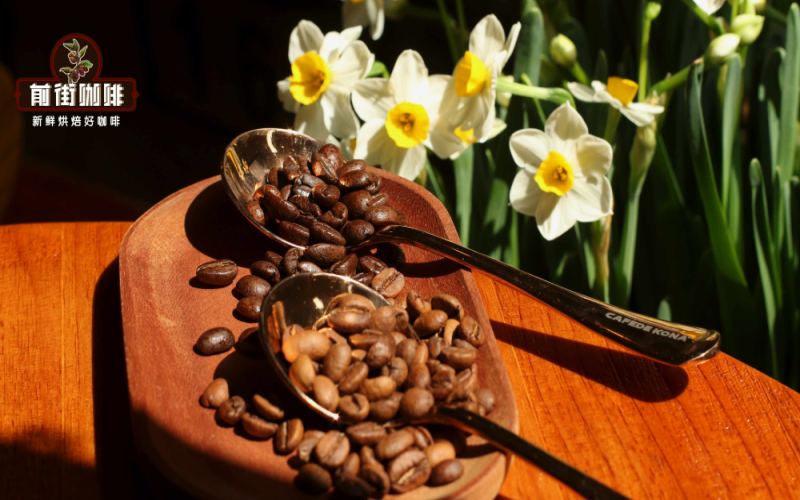
Analyzing the Flavor Differences Between Light and Dark Roasts, with Six Floral and Fruity Light Roast Bean Recommendations
The degree of coffee roasting directly determines the flavor profile in the cup. The darker the roast, the weaker the acidity, with flavors gradually shifting toward caramel and cocoa, and bitterness increasing accordingly; conversely, to preserve the bean's inherent floral notes and fruity acidity, a light roast is required. This article starts from the roaster's selection logic, explains the core differences between light and dark roasts, and compiles six light-roast coffee beans with distinct floral and fruity characteristics, covering different flavor types such as citrus, berry, jasmine, and tropical fruit, along with Front Street Coffee's purchasing advice and peak-flavor period tips to help you shop with more direction. [more…]
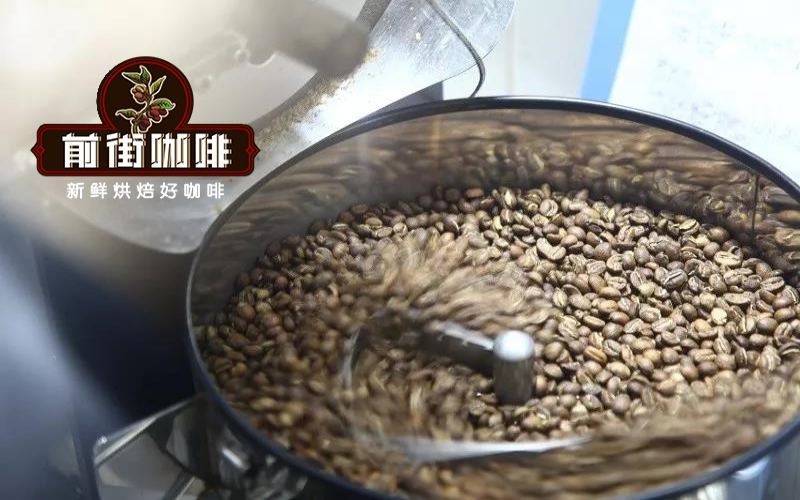
An Analysis of the Flavor Differences Between Light, Medium, and Dark Roasted Coffee Beans: Medium Roast Flavor Characteristics and Bean Selection Strategies for a Cup That Is Neither Sour Nor Bitter
The roast level of coffee beans directly influences the flavor direction in the cup. The darker the roast, the more the acidic compounds are destroyed, and caramel, smoky, and bitter notes gradually take over; the lighter the roast, the easier it is to preserve bright fruit acidity and floral aromas. For coffee lovers who neither like too much acidity nor want to taste bitterness, a medium roast is often the more balanced choice. So what flavor characteristics does medium-roast coffee actually have? And how do you distinguish between medium-light and medium-dark roasts? This article starts from the principles of roasting, combines them with the first crack milestone, sorts out the flavor differences among light, medium, and dark roasts, and offers specific Front Street Coffee bean recommendations to help you find the cup that suits you between acidity and bitterness. [more…]
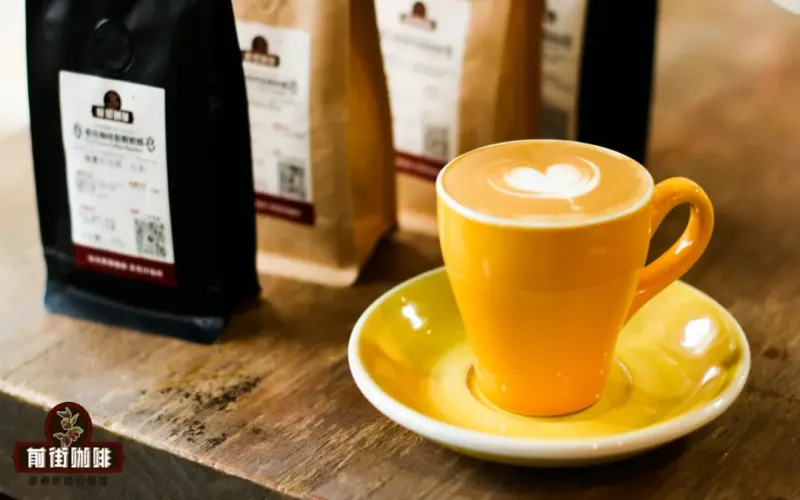
Is It Feasible to Make Espresso from Single-Origin Beans for Pour-Over? Differences Between Light Roast and Blend Beans and Extraction Adjustment Approaches
Many coffee enthusiasts stock up on single-origin pour-over beans during Front Street Coffee's monthly limited-time events, yet their purpose is to make espresso. However, single-origin beans are mostly medium-light or light roasts, which differ significantly in roast level from the dark roasts commonly used for espresso. Directly applying dark roast parameters often results in espresso that is sharply acidic and thin. This article focuses on this topic, first explaining the essential differences in density and brittleness between dark and light roast beans, then providing grinding adjustment ideas and reference formulas for light roast single-origin beans, and finally, from the two directions of dose and milk ratio, explaining how to keep light roast espresso from being diluted and masked in milk-based coffee, along with practical tips for making milk coffee. [more…]
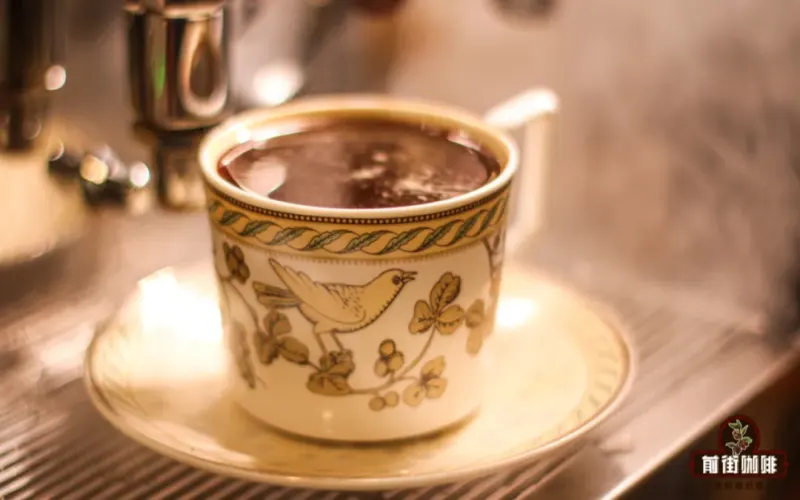
Analyzing the Causes of Smoky Flavors in Coffee: Differences Between Dark and Light Roasts and a Detailed Explanation of Charcoal-Roasted Coffee
In coffee tasting, how exactly is the emergence of smoky aroma related to the degree of roasting? This article will focus on the physical changes of coffee beans during roasting to explain the formation principle of smoky flavor, while systematically comparing the differences between dark-roasted and light-roasted coffee, and explaining the characteristics of charcoal-roasted coffee. The article also mentions relevant product information from Front Street Coffee to help enthusiasts more clearly understand the influence of roasting on flavor direction. [more…]
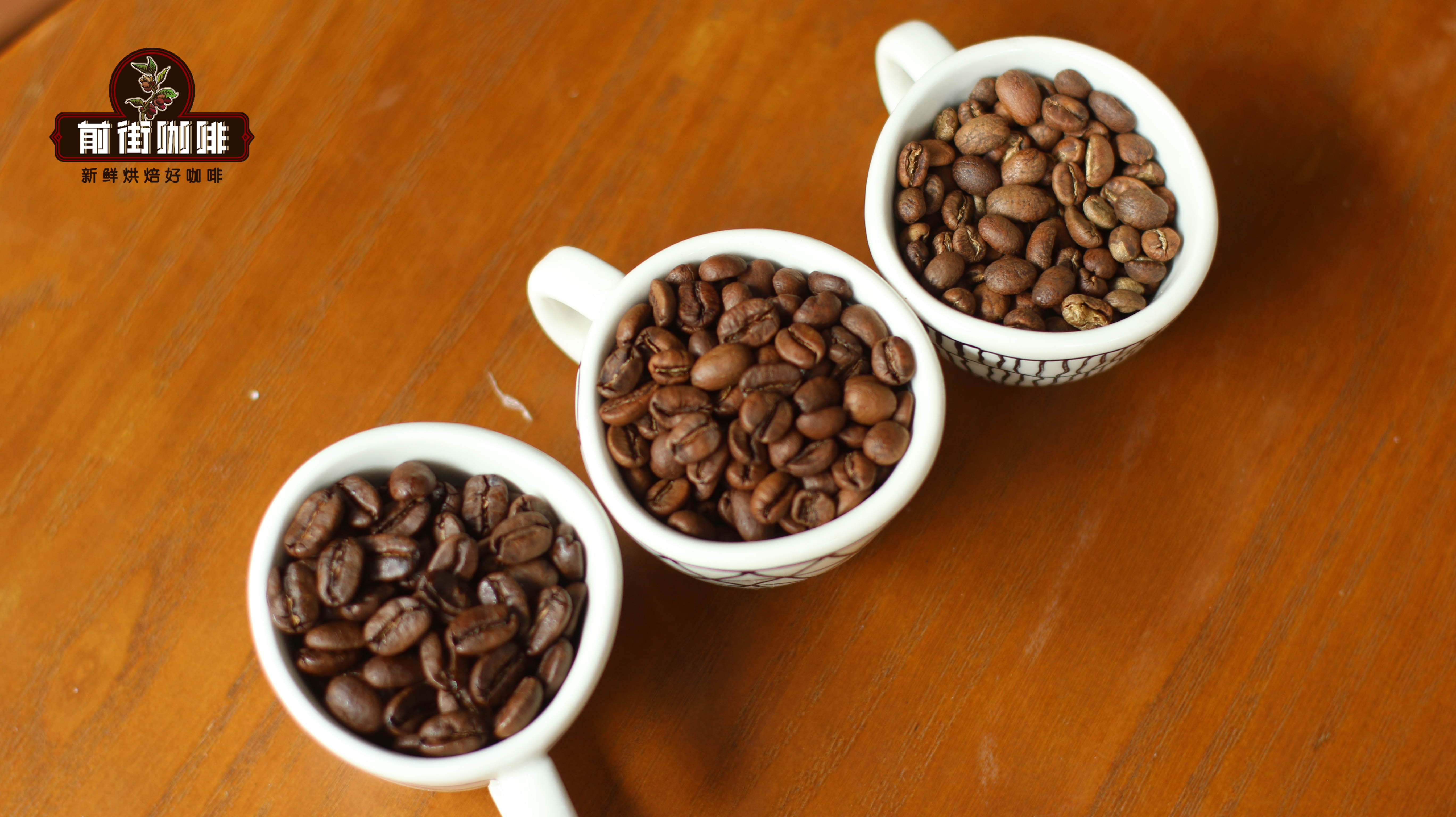
A Complete Guide to Coffee Roast Levels: Flavor Differences Between Light, Medium, and Dark Roasts, Plus Three Front Street Coffee Medium Roast Bean Recommendations
The roast level of coffee beans directly determines the flavor direction in the cup, from the bright fruit acidity of a light roast to the rich caramel of a dark roast, each stage has its own unique charm. This article systematically sorts out the flavor characteristics and appearance differences of light, medium, dark, and City roasts, and for different taste preferences, recommends three medium-roast single origins from Front Street: Front Street Brazil Queen Estate brings creamy peanut and chocolate notes, Front Street Strawberry Candy blends the fruity sweetness of Costa Rican honey processing with Panamanian washed Geisha, and Front Street 2013 Yunnan Typica presents nutty, brown sugar, and black tea flavors. Whether pour-over, cold brew, or espresso extraction, you can find the cup that suits you. [more…]
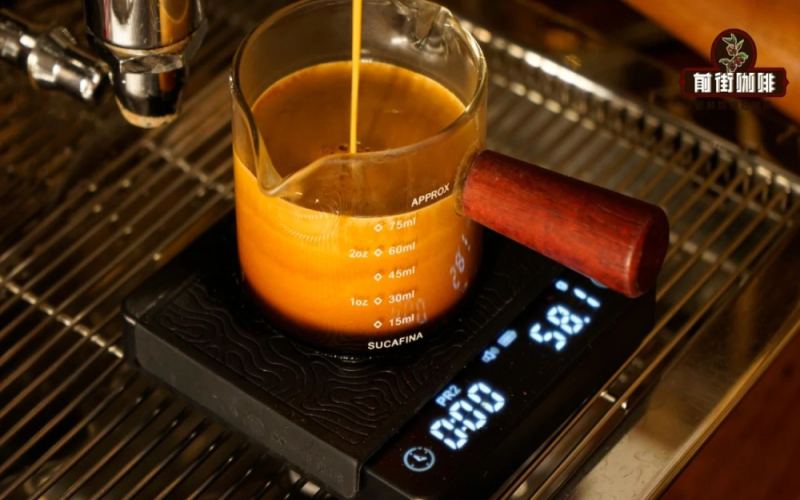
An Analysis of Flavor Differences Between Light, Medium, and Dark Coffee Bean Roasts: Taste Characteristics and Selection of Specialty Coffee at Different Roast Levels
Green coffee beans themselves have no obvious aroma or flavor; only through roasting can they release their alluring flavors. Roasting time, temperature, method, and even the roaster's experience all have a subtle impact on the final taste in the cup. From light to dark roast, coffee beans differ in color, acid-bitterness balance, and aroma layers, and the suitable brewing methods and drinking preferences vary greatly. In this article, Front Street Coffee will systematically sort out the flavor differences among light, medium, and dark roasted coffee beans, and, combined with specific origin cases, explain how roasters choose curves based on bean characteristics, as well as the effects of different roast levels on coffee chemical compounds and the final taste, helping coffee enthusiasts more clearly understand the relationship between roasting and flavor. [more…]
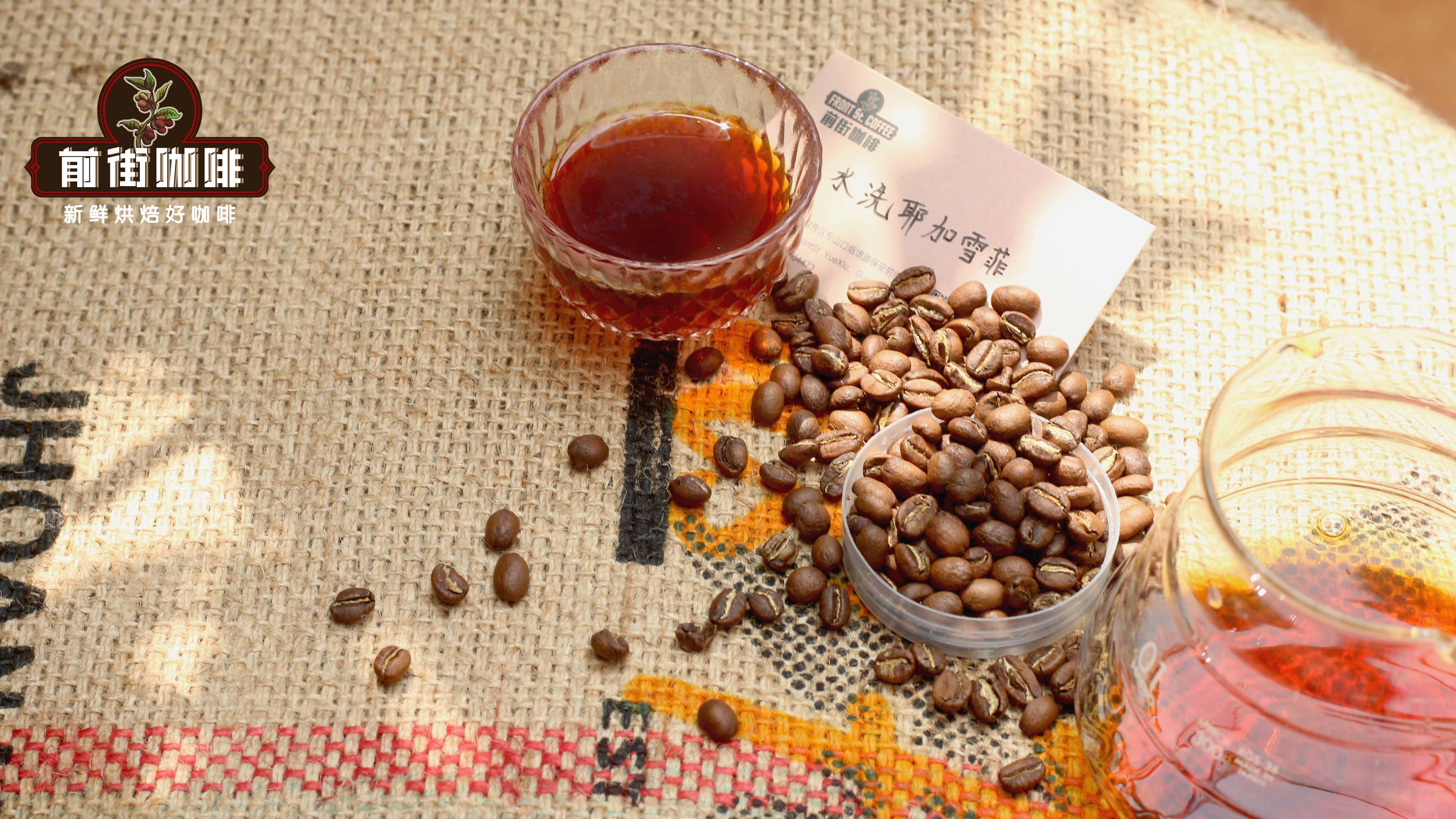
A Complete Guide to Coffee Roast Levels: Flavor Differences and How to Identify Light to Medium-Dark Roasts
The flavor profile of coffee is largely determined by the roast level. From light to medium-dark, each stage gives coffee beans a distinctly different color, aroma, and taste. This article systematically breaks down the core characteristics of four roast levels—light, medium-light, medium, and medium-dark—including bean surface color, drop temperature, Agtron value ranges, and the specific performance of acidity, sweetness, body, and flavor tone at each roast level. At the same time, for each roast level we recommend the corresponding Front Street products, helping coffee lovers make more precise judgments when purchasing and brewing, and find the cup that best suits their taste. [more…]
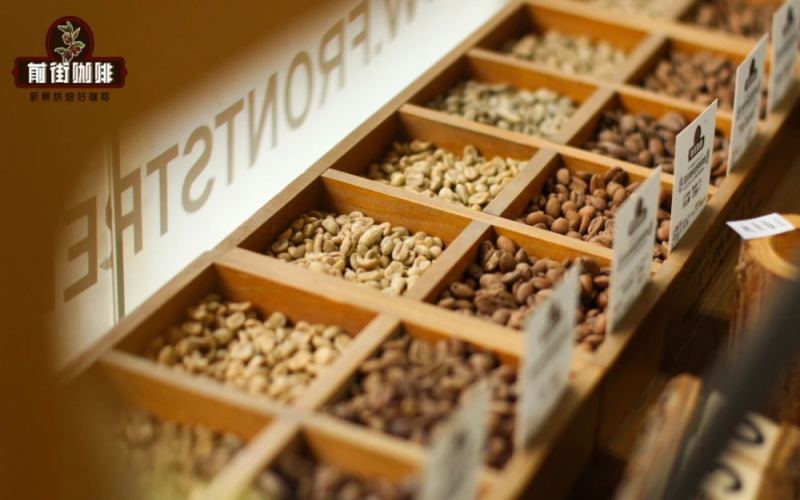
How to Choose the Roast Level for Yirgacheffe? Flavor Differences Between Light and Dark Roasts and Brewing Parameters Explained
Roasting is the key process that determines the flavor direction of a cup of coffee. Using Front Street Coffee's roasting of Yirgacheffe as an entry point, this article systematically sorts out the basics of coffee roasting: how green beans transform under heat, the weight-loss differences between fast roasting and slow roasting, the rule by which the three major elements of acidity, sweetness, and bitterness rise and fall as roasting time changes, and the two landmark stages of first crack and second crack. The article also analyzes one by one the flavor characteristics of light roast and medium roast, gives roasting degree recommendations separately for washed and natural Yirgacheffe, and includes Front Street's medium-light roast plan for Yirgacheffe Red Cherry as well as V60 three-pour brewing parameters, helping you brew a cup full of floral and fruity aromas at home too. [more…]
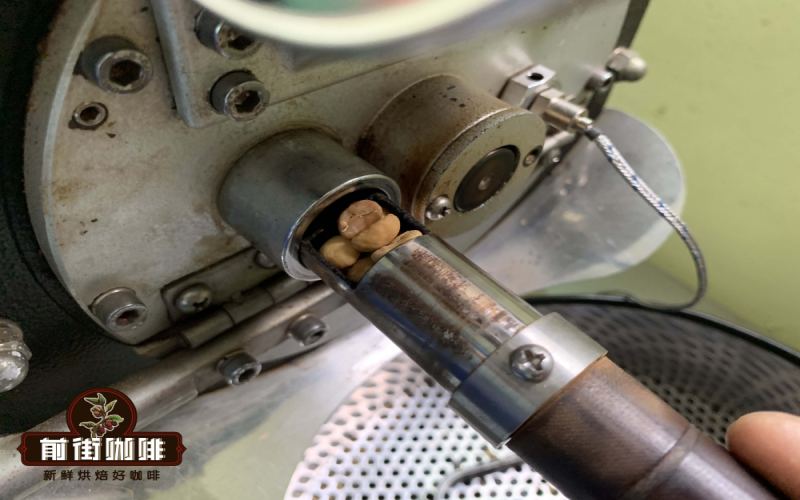
How Are Coffee Bean Roast Levels Distinguished? Flavor Differences Between Light, Medium, and Dark Roasts and Front Street Coffee’s Dark Roast Bean Recommendations
During the process of roasting green coffee beans into mature beans, they go through multiple stages such as dehydration, yellowing, first crack, and second crack, and different dropping times determine the final roast level. This article starts from the physical changes during the roasting stages, explains why it is difficult to accurately judge the roast level by color alone, and then breaks down the flavor characteristics and representative beans of each of the three categories: light, medium, and dark. The article [more…]
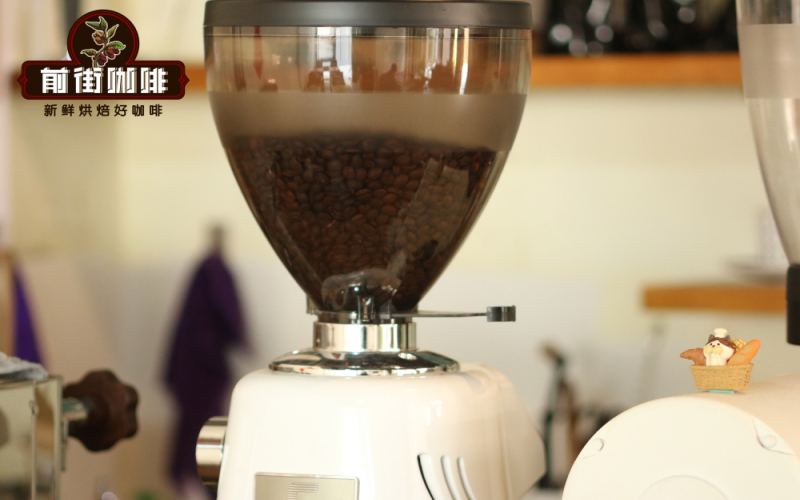
A Guide to Light Roast SOE: Key Differences Between Single-Origin Espresso Beans and Pour-Over Beans
In recent years, SOE coffee has frequently appeared in the promotional materials of major coffee brands, becoming a hot topic in the specialty coffee world. SOE stands for Single Origin Espresso, emphasizing the pure expression of a region's flavor, in sharp contrast to traditional espresso blends. This article will start with the definition of SOE, analyze its essential differences from pour-over single origin beans, explore the extraction challenges faced in making light-roast SOE, and share Front Street Coffee's SOE-making tips and specific product recommendations, helping coffee lovers make a cup of SOE with clear flavor at home. [more…]
Analyzing the Differences Between Dark Roast and Light Roast Coffee Beans: A Guide to Dark Roast Flavors and Mouthfeel for Home Coffee Machines
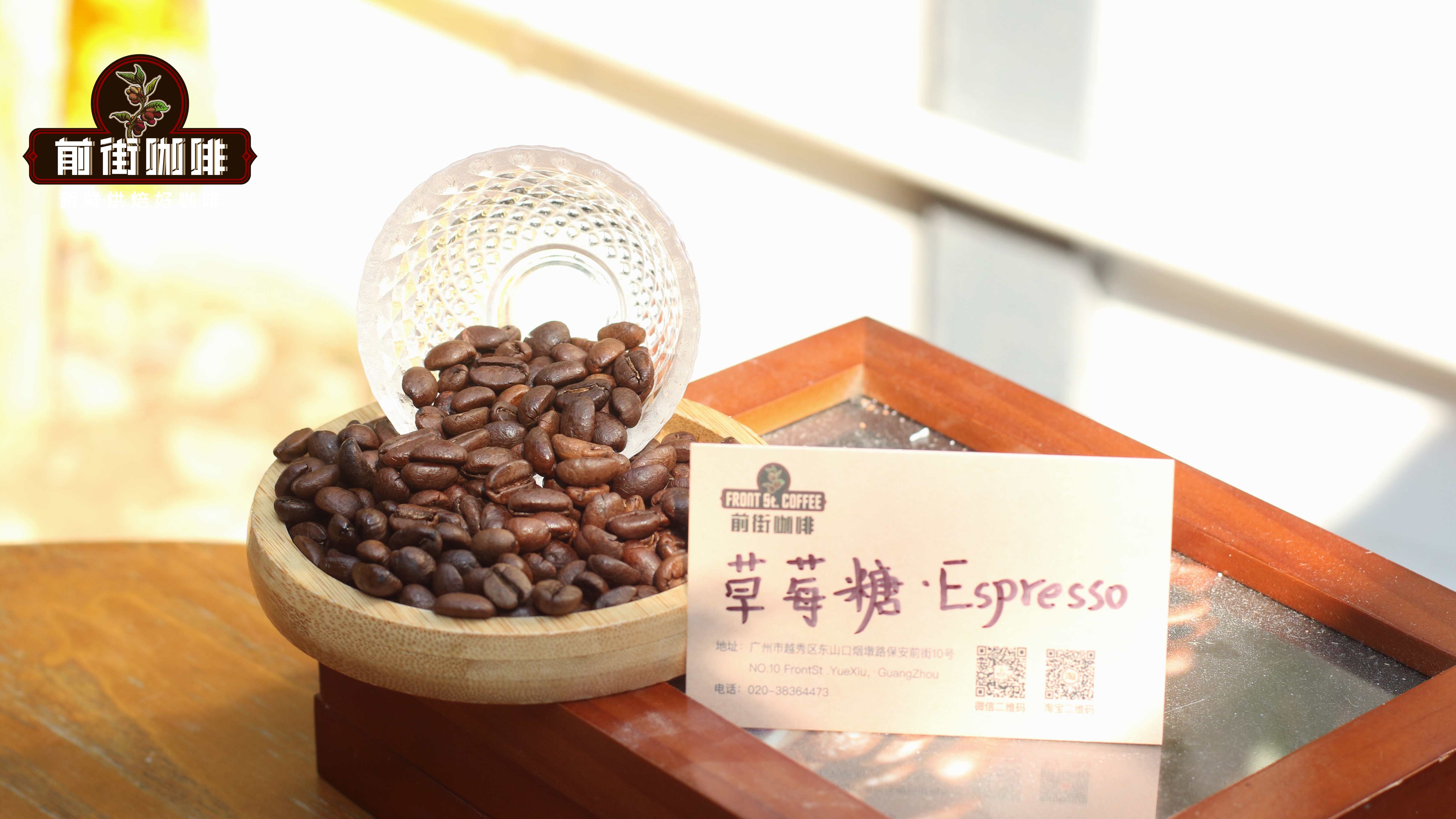
Many home coffee enthusiasts dislike acidity and tend to choose dark-roasted coffee beans. The principle behind this is actually not complicated: the lighter the roast, the more acidic substances the beans retain; the darker the roast, the more fully the caramelization reaction proceeds, acidity drops step by step, and body climbs accordingly. At the same time, dark roasting also causes more oils to emerge on the surface of the coffee beans, and these oils can make espresso crema more stable and long-lasting. Therefore, when beans with a darker roast are used, the extracted layer of oils will also be richer. This article will walk you through the core differences between dark and light roasts, and recommend several espresso beans suitable for home coffee machines, including Front Street Coffee Classic Blend, Dark Cocoa Base Blend, and Front Street Coffee .PWN Golden Mandheling SOE, to help you find the cup that best suits your taste. [more…]
Analysis of Flavor Differences Between Dark and Light Roasts of Kenyan Coffee and Practical Brewing with Pour-Over, French Press, and SOE
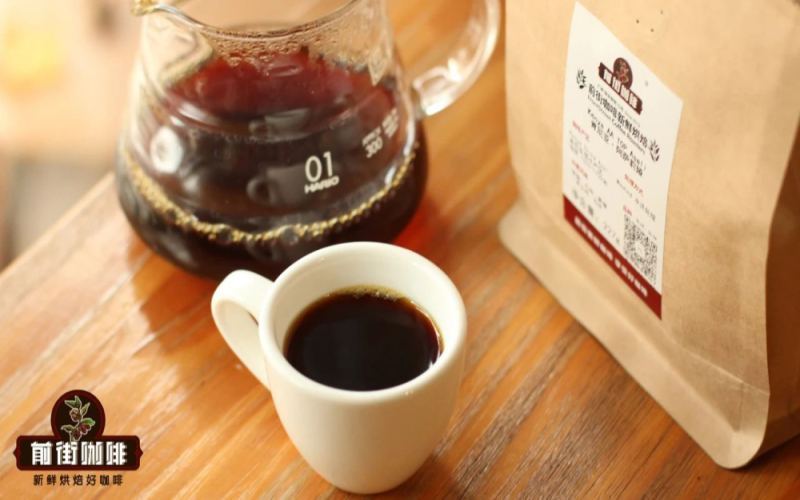
Kenyan coffee has always been known for its bright acidity, but historically there was also a mainstream practice of dark roasting. This article uses two Kenyan AA beans selected by Front Street Coffee—Karogoto and Asaliya—to compare the flavor and mouthfeel differences between dark roast and light roast, and documents in detail the brewing performance of pour-over, French press, and a dark-roasted Kenyan blend espresso. Starting from the roasting technology background of the second wave of coffee, the article also explains the origin of the saying "dark-roasted Kenya" and the changing logic of roast level choices in the specialty coffee era, providing coffee lovers with a reference that balances theory and practice. [more…]
A Complete Guide to Coffee Roast Levels: Flavor Differences from Light to Medium-Dark Roast and Bean Selection Guide
The roast level of coffee directly influences the flavor expression in the cup, from the bright fruit acidity of light roasts to the rich chocolate notes of medium-dark roasts, each roast level has its unique charm. This article systematically introduces four roast levels: light roast, medium-light roast, medium roast, and medium-dark roast, covering the appearance characteristics, bean discharge temperature, Agtron value range, and flavor performance of each roast level. At the same time, for each roast level, it recommends representative coffee beans from the Front Street brand, helping coffee enthusiasts choose suitable coffee beans and brewing methods according to their personal taste preferences. [more…]
Geisha Coffee Beans: Exploring Flavor Differences Between Light and Medium-Dark Roasts and Optimal Roast Levels
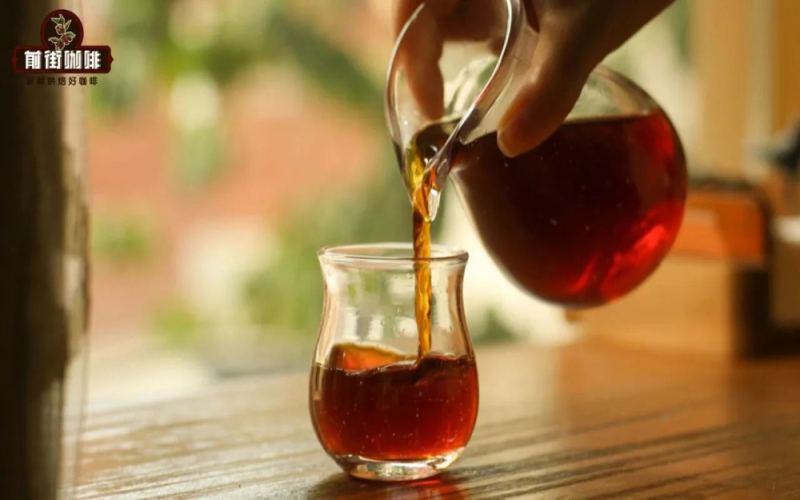
Geisha coffee beans are usually presented as a light roast, but what happens to the flavor if they are roasted darker? Front Street Coffee used Panama Hacienda La Esmeralda Green Label Geisha as a sample and conducted comparative tests using two profiles: light-medium roast and medium-dark roast. Through cupping and pour-over, it analyzed the impact of different roast levels on Geisha flavor from multiple dimensions such as aroma, acidity, sweetness, and mouthfeel. This article not only presents detailed experimental data and sensory descriptions, but also explores why Geisha is more suitable for light roasting and how to preserve its signature floral and fruity aroma during roasting. [more…]
How Do Roast Levels Change Coffee Flavor? A Full Analysis of the Differences Between Light and Dark Roasted Beans and Their Energizing Effects
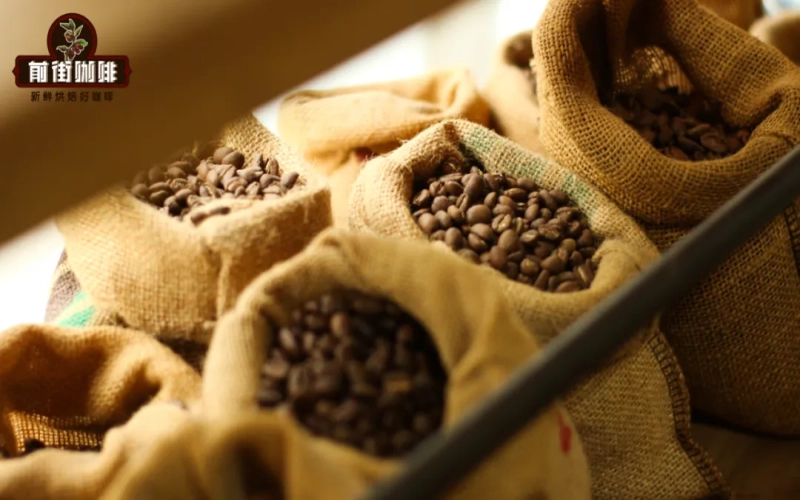
From light to dark roast, coffee beans may differ by only about 10°C in temperature, yet their flavors can be completely different. The degree of roasting not only affects the beans' color, size, density, and brittleness, but also reshapes aroma and taste through the Maillard reaction and caramelization. This article starts with roast classification, explains the SCAA color value standards and the flavor characteristics of light, medium, and dark roasts, and combines the specific performances of Front Street Yirgacheffe·Red Cherry and Front Street Warm Sun Blend to help readers understand how different roast levels affect the balance of acidity and bitterness, aroma complexity, and energizing effect. [more…]
Analysis of the Relationship Between Coffee Bean Roast Level and Fat Loss: Flavor Differences of Light, Medium, and Dark Roasts and Front Street Coffee Bean Selection Recommendations
The roast level of coffee beans not only determines the flavor direction of a cup of coffee, but may also affect its ability to assist with fat loss. From the bright acidity of a light roast to the rich bittersweetness of a dark roast, different roast levels correspond to different expressions of origin and drinking scenarios. Front Street Coffee, with bean sources covering more than 50 producing regions and its own roasting facility, matches each bean with the roasting profile that best showcases its character through repeated cupping and curve adjustments. This article will systematically sort out the flavor characteristics and representative beans of light, medium, and dark roasts, and answer the connection between roast level and fat-loss effects, helping you understand the logic of flavor while finding the cup that suits you. [more…]
In-Depth Analysis of Coffee Roasting: A Complete Guide to First and Second Crack Temperature Points and the Taste Differences Between Light and Dark Roasts
The flavor code of coffee beans is, to a large extent, written during the roasting stage. From green beans to that rich aroma in the cup, every temperature milestone and every crack sound during roasting directly affects the acidity, bitterness, and aroma layers in the final result. Where exactly is the dividing line between dark roast and light roast? What do first crack and second crack each mean? Under different roast levels, how will coffee's taste change? This article will systematically sort through roasting terminology and core principles to help coffee lovers build a clear cognitive framework for roasting, while also drawing on the practical experience of Front Street Coffee to provide reference for everyday bean selection and brewing. [more…]

Recommendations for light-medium roast beans with floral and fruity notes | What are the differences between Ethiopian, Kenyan, and Panamanian floral and fruity notes? Are floral and fruity coffee beans better for pour-over or espresso?
Generally speaking, lightly roasted coffee can retain more acidity in its flavor profile. If the beans themselves also contain certain alcohols and lipids, roasting will further bring out a captivating floral and fruity aroma. However, as the roast deepens, both the acidity and the floral and fruity notes gradually fade away and transform into bitter compounds, making the coffee [more…]